Twyman's Flora
Strawberry 'Purple Wonder'
Strawberry 'Purple Wonder'
Couldn't load pickup availability
Strawberry ‘Purple Wonder’ — Rare Heirloom Berry
About the Variety
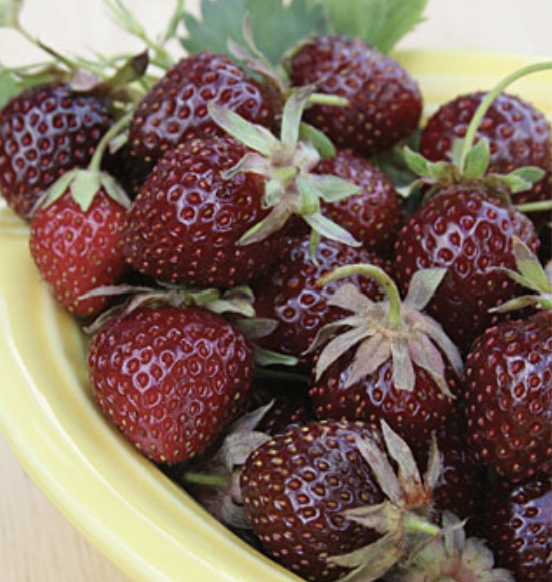
‘Purple Wonder’ is one of the world’s first true purple-fruited strawberries, developed at Cornell University. Unlike standard red strawberries, its berries ripen to a rich reddish-purple, sometimes with darker tones toward the seeds. The flavor is distinct — intensely sweet with very low acidity — making it an excellent choice for fresh eating, desserts, or preserves. Beyond its unique color and taste, this variety also offers strong ornamental appeal, with green foliage and white blooms giving way to jewel-toned fruit.
Growth Habit
Type: Perennial strawberry.
Fruit Size: Medium-sized berries, typically smaller than standard commercial strawberries.
Fruit Color: Deep red to purple, with striking darker hues around the seeds.
Yield: Steady producer once established, though slightly less prolific than traditional red varieties.
Hardiness: Adaptable to a range of climates; bred for garden culture rather than large-scale commercial farming.
Care & Cultivation
Light: Full sun is best for fruiting and to bring out the deepest purple color.
Soil: Prefers fertile, well-draining soil rich in organic matter. Slightly acidic soil is ideal.
Watering: Keep soil evenly moist, especially during fruiting, but avoid waterlogged conditions.
Spacing: Plant 12–18 inches apart to allow for spreading.
Fertilization: Use a balanced organic fertilizer in spring and again after the main fruiting period.
Propagation: Produces runners, but fewer than most traditional strawberries, so crown division is often used to expand plantings.
Why It’s Special
‘Purple Wonder’ is prized not just for its flavor, but also for its rarity. Its unusual color and concentrated sweetness set it apart from common strawberries, making it a collector’s plant for gardeners who value novelty and unique fruit.
Our Growing Practices
All of our plants are cultivated here in the USA, grown from seed, cuttings, or tissue culture. This ensures strong genetics, healthy plants, and a reliable source for gardeners who want to add heirloom, rare, or unusual fruit varieties to their collection.